
Did you know that 30% of women feel breast pain during their menstrual cycle? The right supportive bras can help a lot. They can make you feel better and more comfortable.
Breast soreness is common among women. But, finding the right bra can be the answer. It’s not just about the size. It’s about finding bras that fit your body right and feel comfortable.
Choosing the right bra can change everything. A bra that fits well can cut breast pain by up to 80%. It can make your day more comfortable and boost your confidence.
Key Takeaways – Best Bra for Sore Breasts
- 70% of women wear the wrong bra size, causing unnecessary discomfort
- Wireless bras are more comfortable for sensitive breasts
- A well-fitting bra can greatly reduce breast pain
- Different breast sizes need special support solutions
- It’s important to replace bras regularly for the best support
Understanding Sore Breasts: Causes and Symptoms
Breast pain is common among women, with about 50% experiencing it at some point. Knowing the causes and symptoms helps manage pain. Choosing the right bra, like wireless or soft cup bras, can offer relief.
Common Causes of Breast Soreness
Breast pain can come from different factors. These include:
- Hormonal changes during your period
- Changes during pregnancy
- Too much physical activity without proper support
- Stress and lifestyle choices
Signs You Might Need a New Bra
Knowing when your bra doesn’t fit right is key. Look out for these signs to know it’s time for a new bra:
- Straps digging into your shoulders
- The band riding up or feeling too tight
- Underwire causing constant discomfort
- Visible breast tissue bulging outside the cup
When to Consult a Doctor
While most breast pain isn’t serious, some symptoms need a doctor’s check. Watch for persistent pain, unexplained lumps, or changes in breast texture. If you notice:
- Pain lasting more than two weeks
- Sudden changes in breast appearance
- Severe pain that affects your daily life
- Nipple discharge or skin changes
Key Features to Look for in a Comfort Bra
Finding the right bra can change how you feel, making sore breasts more comfortable. With 80% of women wearing the wrong bra size, knowing what to look for is key for better breast health and comfort.
Your perfect bra should mix support with softness. Whether you need maternity, nursing, or recovery bras, some features are universal and really help.
Material and Fabric Considerations
Choosing the right fabric is key for feeling good and staying cool. Look for these important fabric traits:
- Moisture-wicking fabrics
- Soft, irritation-free linings
- Breathable cotton blends
- Stretchy materials for flexibility
Cup Shape and Support Options
Different breast shapes need different support. Wireless options can offer great comfort for sore breasts, with about 50% of women liking them during pregnancy or nursing.
- Full-coverage cups for maximum support
- Seamless designs to minimize friction
- Gentle compression without tight restrictive bands
Band Fit and Adjustability
The band is vital for bra comfort. A good fit can prevent 70% of posture-related discomfort. Look for these adjustability features:
- Multiple hook settings
- Wide, comfortable back bands
- Adjustable straps with extra sliding room
- Elastic materials that move with your body
Remember, the right bra isn’t just about size—it’s about understanding your unique comfort needs.
Types of Bras Ideal for Sore Breasts
Finding the right bra can make a big difference when you have sore breasts. There are many bra styles that help, from post-surgery bras to supportive ones for specific needs.
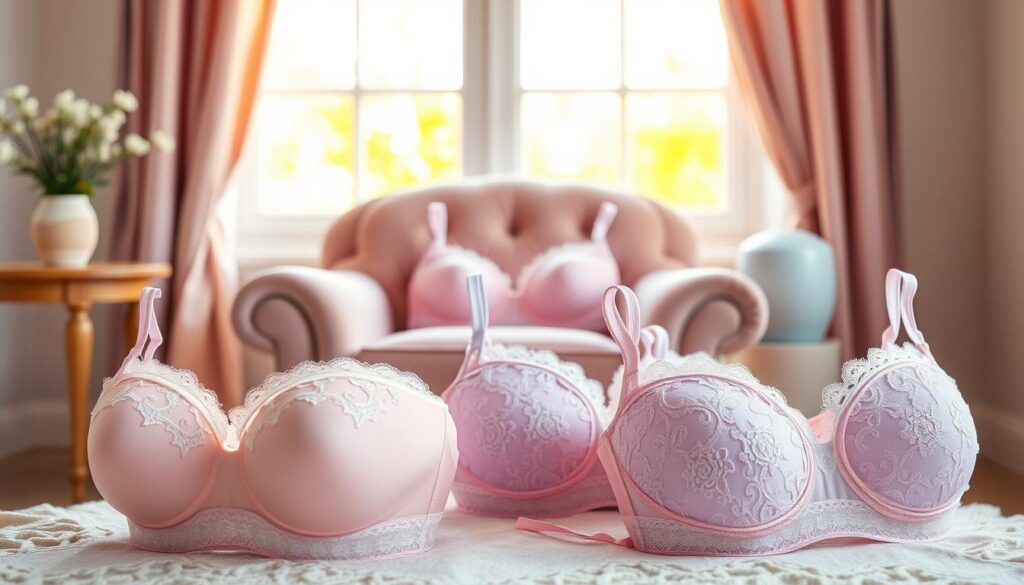
Choosing the right bra can help you feel better and supported. Let’s look at the most comfortable and helpful options for sore breasts.
Wireless Bras: Comfort Without Compromise
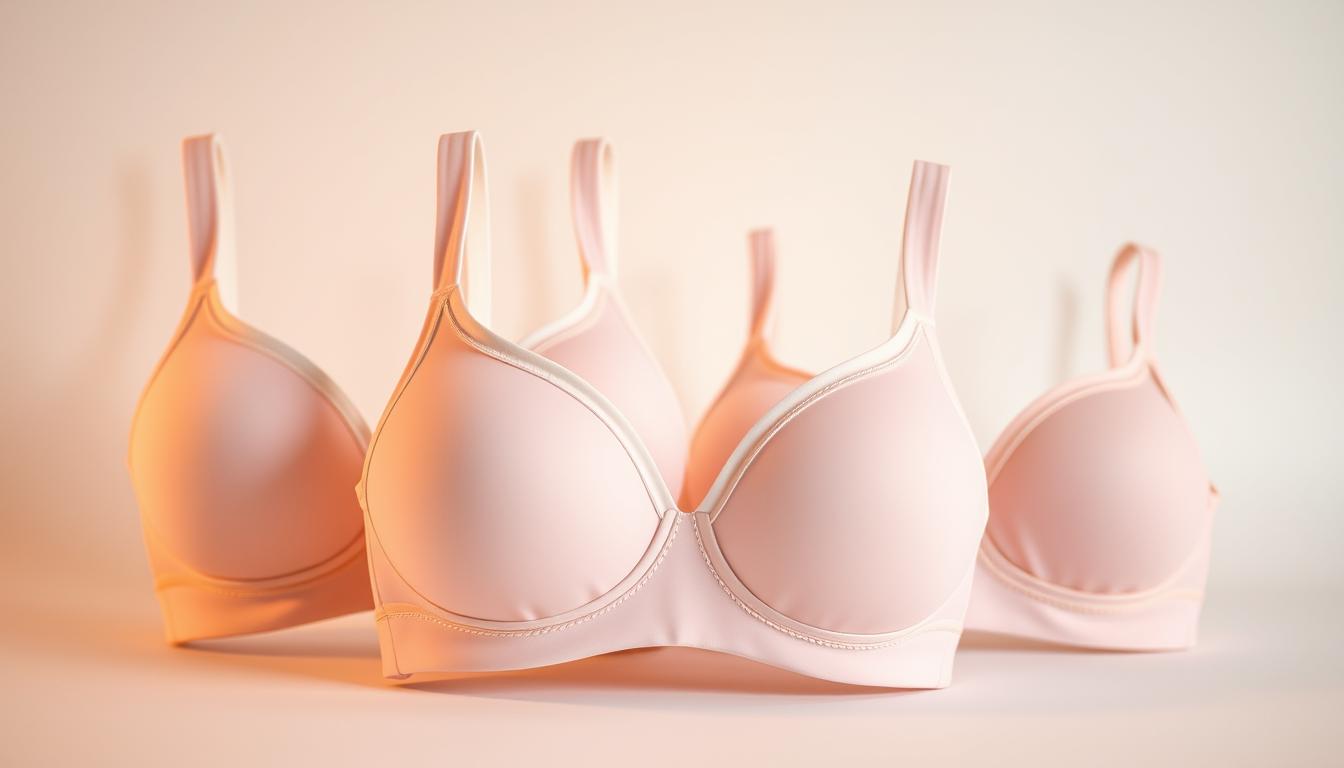
Wireless bras are a top pick for comfort. They don’t have stiff underwires, which means less pressure and irritation. The benefits are:
- Soft, flexible materials that move with your body
- Gentle support that doesn’t squeeze your breasts
- Less chance of discomfort on your chest
Sports Bras: Support for Active Lifestyles
Sports bras are great for women with sore breasts. 80% of breast support comes from the band. This makes them key for less movement and pain during exercise.
- Compression tech to keep breasts stable
- Breathable fabrics to keep you cool
- Even weight distribution for comfort
Maternity and Nursing Bras: Special Considerations
Women with breast changes during pregnancy or after having a baby need special bras. Approximately 27 months is the average breastfeeding duration. These bras are vital for comfort and function.
- Adjustable features for changing breast sizes
- Easy access for nursing
- Soft, stretchy materials for comfort
Remember, a bra that fits well can greatly improve your comfort and reduce pain. Try professional fitting or measure yourself carefully to find the perfect supportive bra for your needs.
Top Brands for Comfort and Support
Finding the right bra for sore breasts can be tough. The best brand can make a big difference. Many top brands focus on making wireless and soft cup bras that are comfy and supportive.
- ThirdLove: Offers innovative sizing with 24/7 Perfect Coverage Bra in B to H cup sizes
- Natori: Known for Bliss Perfection Contour Soft Cup Bra with A to DDD range
- Aerie: Provides wireless options like Sunnie Wireless Lightly Lined Bra
- Cosabella: Features Never Say Never Sweetie Bralette in extensive size range
Affordable Options vs. Luxury Choices
For those watching their budget, Bali and True & Co. have great wireless bras. They’re comfy but won’t empty your wallet. On the other hand, luxury brands like ThirdLove offer top-notch features and detailed size matching.
User Reviews and Recommendations
Real people’s experiences show how important finding the right fit is. They often talk about bras that are:
- Comfortable all day
- Supportive
- Soft and breathable
- Available in many sizes
Comfort is personal. What works for one person might not work for another, so trying different styles is key.
When looking for the best bra for sore breasts, think about what you need. Consider your body type and what you find comfortable. Each brand has something special to help you find your perfect bra.
Fitting Your Bra Properly for Maximum Comfort
Finding the perfect bra fit is key for comfort and support. With over 80% of women wearing the wrong bra size, learning to measure and adjust can greatly improve your comfort.
Measuring Your Size at Home
Getting your bra size right is important, whether you’re looking for seamless bras or maternity bras. Here’s how to find your correct size:
- Wrap a measuring tape around your ribcage, just below your breasts, to measure your band size.
- Round the number to the nearest whole number.
- If the number is even, add 4-5 inches. If it’s odd, add 5-6 inches.
- Measure your bust at its fullest point.
- Find the difference between your band and bust measurements to determine your cup size.
The Importance of Try-Ons
Trying on nursing bras and other styles is essential. Visual and physical assessment ensures the right fit. Look for these signs:
- The band should sit horizontally around your body.
- Straps shouldn’t dig into your shoulders.
- Cups should fully cover your breast tissue without gaping.
- The center gore should lie flat against your sternum.
Adjusting Straps and Bands for Fit
Adjusting straps and bands can greatly improve your bra’s comfort. Adjust straps to support without shoulder pressure. Use the hook-and-eye closures to find the most comfortable band setting.
Pro tip: Your bra should feel snug but not restrictive. You should be able to fit two fingers under the band comfortably.
Remember, your body changes over time. Experts suggest getting fitted annually or after significant weight changes for the best support and comfort.
Styles to Avoid When Experiencing Discomfort
Choosing the right recovery bras is key for women with sore breasts. Not all bras are the same, and some can make things worse. Knowing which styles to steer clear of helps find more comfortable, supportive options.
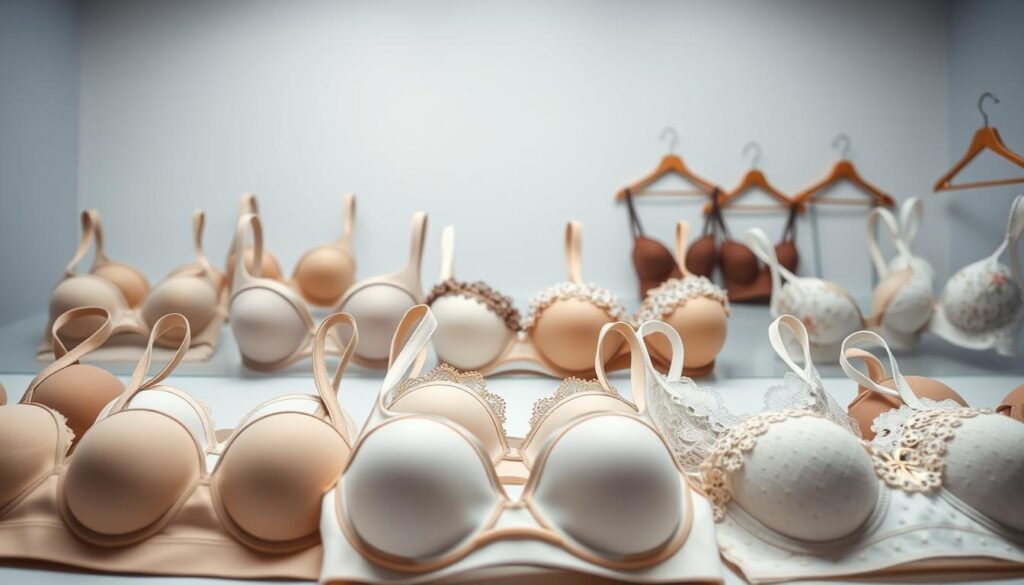
Underwire Bras: A No-Go for Sensitive Breasts
Underwire bras might seem like a good idea, but they can be a problem. The stiff wire can rub against your breasts, leading to more pain and irritation. If you have sore breasts, go for wireless bras that are soft and don’t put too much pressure.
- Rigid underwire can increase breast pain
- Potential for additional tissue compression
- Less flexibility during movement
Push-Up Bras: Weighing the Options
Push-up bras can be a mixed bag for comfort. They might make your breasts look better, but they can also be tight and limit movement. If you’re sensitive, you might find these bras less comfortable than softer, more flexible ones.
| Bra Style | Comfort Level | Support Rating |
|---|---|---|
| Push-Up Bras | Low | Medium |
| Wireless Comfort Bras | High | High |
Seams and Lace: Avoiding Irritants
Seams and lace might look nice, but they can be tough on sensitive skin. They can rub and cause more discomfort. Opt for smooth, soft fabrics in your recovery bras for a gentler feel.
- Rough seams can create skin irritation
- Lace may increase friction
- Prefer soft, seamless designs
Finding the right bra means knowing what your body needs. Look for comfort, gentle support, and materials that don’t add stress to sore breasts.
Tips for Caring for Your Bras
Looking after your bra is key, whether it’s for sore breasts or just your favorite. Knowing how to care for your bras can make them last longer and feel better. This is true for both post-surgery and everyday bras.
It’s not just about cleaning your bras. It’s about keeping them in good shape and comfy. Studies say that taking good care of your bras can make them last up to 50% longer. This means you’ll always have the right support.
Washing and Drying Guidelines
Start with gentle washing. Here are some important tips:
- Use cold or lukewarm water to protect elastic fibers
- Hand wash when possible, or use a lingerie bag in the machine
- Avoid harsh detergents that can break down fabric
- Never use bleach or alcohol-based cleaners
How to Store Bras Properly
Storing bras right is key to keeping them in shape. Experts recommend:
- Store bras with cups facing up to prevent misshaping
- Avoid folding one cup inside another
- Use drawer dividers to keep bras separated
- Hang bras on special hangers if drawer space is limited
When to Replace Your Bra
Even the best bras have a limited life. Experts say bras should be replaced every 6-12 months. You’ll know it’s time for a new one when:
- Stretched-out bands that no longer provide support
- Visible wear and tear
- Decreased comfort or fit
- Visible changes in elastic strength
By investing a little time in proper bra care, you can ensure maximum comfort and support for your breasts.
Online Shopping Tips for Bras
Online bra shopping can be tough, finding soft cup and seamless bras that are comfy. About 80% of women wear the wrong bra size. So, getting the right fit online needs a good plan and careful thought.
Sizing Guides and Measurements
Getting your measurements right is key to finding the perfect bra. Here’s what to do:
- Use a flexible measuring tape to measure your ribcage and bust
- Subtract the ribcage measurement from the bust measurement to determine cup size
- Utilize online size calculators from reputable brands
- Consider the scoop-and-swoop technique for precise fitting
Return Policies and Customer Service
When looking for maternity bras, check the return policies. Look for:
- Free returns
- Extended try-on periods
- Virtual fitting consultations
- Detailed size charts
Discounts and Promotions
Smart shoppers can save a lot on bras. Many online stores offer discounts up to 30% on different styles. Keep an eye out for:
- Seasonal sales
- First-time buyer promotions
- Newsletter signup discounts
- Bundle deals on multiple bras
Pro tip: Brands like Lively, Cuup, and ThirdLove offer great online shopping. They have virtual fittings and a wide range of sizes. This helps you find the perfect bra for you.
Frequently Asked Questions about Bras and Soreness
Finding the right bra can be tough, and breast discomfort is common. About 66% of women face breast pain during their reproductive years. It’s key to pick and care for supportive bras for comfort and health.
It’s wise to replace bras every 6-12 months. A well-cared-for bra lasts 1-2 years. Nursing and recovery bras might need more frequent changes because of wear and body changes. Wearing three bras can make them last longer and keep their shape.
Wearing the wrong bra size can cause breast pain. Studies show that the wrong size can lead to a lot of discomfort. For better breast health, get measured every 6 months and choose bras that fit well. Recovery and wireless bras can help with pain from a bad fit.
For bra care, wash them every 2-3 wears and store them in a cool, dry place. Give them a break for a day before wearing again. Remember, support comes from the band, not just the straps. Listening to your body and choosing comfortable bras can prevent breast pain.
FAQ – Best Bra for Sore Breasts
What causes breast soreness?
Breast soreness can come from many things. Hormonal changes during your period, pregnancy, or menopause are common causes. Physical activity, a bad bra fit, and some medical issues can also play a part. Hormonal shifts, mainly in estrogen and progesterone, are the main reason.
How do I know if I need a new bra for sore breasts?
You might need a new bra if you see wear and tear, straps digging in, or a band that keeps going up. Cups that don’t fit right or cause spillage and ongoing discomfort are signs too. If your bra hurts or doesn’t support well, it’s time for a change.
What features should I look for in a bra for sore breasts?
Look for soft, breathable fabrics and wireless designs. Choose bras with gentle compression and wide bands for support. Features like adjustable straps and a seamless fit are key. They should be comfortable and not constrict or irritate your breasts.
Are wireless bras good for sore breasts?
Yes, wireless bras are great for sore breasts. They offer support without the discomfort of underwire. They’re also more flexible and comfy. Make sure they have good side support and wide, comfortable bands.
How often should I replace my bras?
You should replace your bras every 6-12 months, depending on how often you wear them and how you care for them. Changes in your body shape can also affect how long a bra lasts. If it stretches out, loses shape, or doesn’t support well, it’s time for a new one.
Can the wrong bra size cause breast pain?
Yes, wearing the wrong bra size can definitely cause pain. A bra that’s too tight can squeeze your breasts, while one that’s too loose won’t support them right. This can lead to discomfort and even long-term issues. Always make sure you’re wearing the right size.
What type of bra is best during hormonal changes?
During hormonal changes, soft cup or seamless bras are best. Look for ones with stretchy fabrics, wide bands, and adjustable straps. Sports bras or comfort bras with light compression can also help with increased sensitivity.
When should I consult a doctor about breast soreness?
See a doctor if your breast pain is severe, lasts a long time, or comes with lumps, skin changes, or nipple discharge. While some soreness is normal, unusual or persistent pain might mean there’s an issue that needs medical help.