
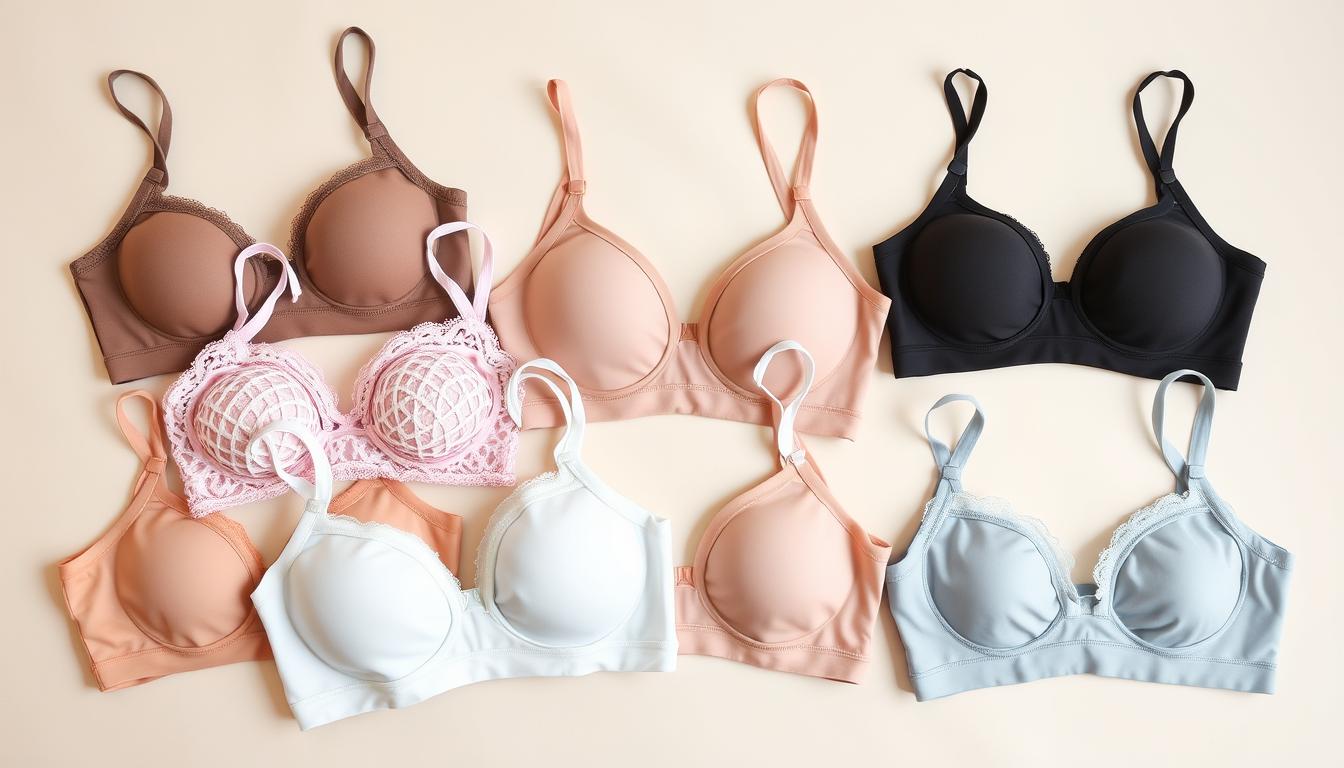
Did you know that about 80% of girls wear the wrong bra size when they first start? Picking the right bra can change how comfortable and confident you feel during the teen years.
Finding the right bra is more than just covering up. It’s about knowing your body and feeling at ease. The best beginner bra supports you, smooths out your silhouette, and boosts confidence during big physical changes.
There are many great bra styles for beginners, from soft bralettes to light sports bras. They’re made for growing bodies and are comfy. Brands like Cat & Jack, Nike, and Yellowberry have sizes from XS to XXL. This means every girl can find a bra that fits just right.
This guide will help you pick your first bra. We’ll cover sizing, comfort, and styles that make you feel good and supported.
Key Takeaways – Best Beginner Bra
- Bra shopping is a personal journey of comfort and self-discovery
- Proper fit matters more than brand or price
- Comfort should be the primary consideration for first bras
- Multiple styles exist to suit different body types and preferences
- Adjustable features are key for growing bodies
Understanding the Importance of the Right Bra for Beginners
Finding the right bra can be tough for young teens. It starts with knowing why the right bra is important. Girls usually start thinking about bras between 9 and 16 years old, with most around 11.
Why Choosing the Right Bra Matters
Choosing the right bra is more than just a fashion choice. It’s about feeling comfortable, supported, and confident. The right bra can change how a young girl feels every day. A good bra:
- Supports your body as it grows
- Makes you feel comfortable during activities
- Helps you feel more confident
- Protects your growing breasts
Common Beginner Bra Mistakes
When looking for a beginner bra, it’s important to avoid common mistakes. Many first-time bra wearers make errors that affect comfort and fit. Here are some mistakes to avoid:
- Ignoring proper sizing: Your size changes a lot during puberty
- Choosing style over comfort
- Neglecting fabric quality
- Overlooking support needs
Experts say to measure your bra size every six months during growth periods. Start with training bras that are simple, without underwire or complex designs. Comfort should always be the first thing to think about when picking your first bra.
Remember, every body is unique, and there’s no one-size-fits-all approach to finding the perfect beginner bra.
Different Types of Bras for Beginners
Exploring top beginner bra styles can be daunting for newbies. Knowing the different options makes choosing easier and more comfortable.
When looking for affordable beginner bras, several styles are great for new wearers:
Sports Bras: Comfort Meets Support
Sports bras are a perfect start for beginners. They offer many benefits:
- Great support during exercise
- Reduces breast movement
- Made of comfy, stretchy fabric
- Comes in low, medium, and high impact
Bralettes: A Flexibly Stylish Choice
Bralettes are popular among beginners for their lightweight and fashionable appeal. They have:
- Soft, wire-free design
- Many stylish designs
- Comfortable for daily wear
- Sizes range from S to XL
Underwire vs. Wireless Bras
Choosing between underwire and wireless bras depends on comfort and body type. Wireless bras are often a softer start for beginners.
Pro tip: Start with wireless styles to understand your comfort preferences before experimenting with underwire designs.
When picking your first bra, think about fabric comfort, support, and style. Remember, finding the right bra is a journey of discovering what works best for your body.
How to Measure for the Perfect Fit
Finding the right bra size is key for comfort and support. Up to 80% of women wear the wrong bra size. This can cause discomfort and lower confidence. Learning beginner bra sizing tips helps find the best bra for you.
Measuring your bra size at home is easy. Follow these steps for a perfect fit:
- Use a soft measuring tape for accurate measurements
- Measure your band size directly under the bust
- Measure your bust at the fullest point
- Calculate the difference between band and bust measurements
Precise Measurement Techniques
When finding your band size, keep these tips in mind:
- For even measurements, add 4 inches
- For odd measurements, add 5 inches
- The band provides 80% of a bra’s support
Common Sizing Mistakes to Avoid
When looking for a beginner bra, avoid these sizing mistakes:
- Wrinkling in the cups
- Underwire poking or sitting on breast tissue
- Band riding up the back
- Cup spillage or gaping
Experts say to get measured every six months. This is because breast size can change. Remember, a well-fitted bra should position your breasts midway between your shoulders and elbows.
Pro Tip: If you’re between sizes, it’s better to try different variations to find the most comfortable fit.
Top Features to Look for in a Beginner Bra
Finding the right bra for the first time can be a big deal for young people. Knowing what to look for can make a big difference. It helps ensure you feel comfortable and supported.

Choosing the perfect bra for beginners means looking at several important factors. These factors help make sure the bra is both comfortable and functional.
Fabric Choices: Comfort and Breathability
Fabric is key when picking out a bra for beginners. Studies show that:
- 75% of girls like lightweight, breathable fabrics
- Moisture-wicking materials are great for staying comfy while active
- Soft cotton blends are perfect for growing bodies
Good fabrics should have these qualities:
| Fabric Type | Benefits | Recommended For |
|---|---|---|
| Cotton Blend | Soft, breathable, natural feel | Daily wear |
| Performance Fabric | Moisture-wicking, quick-drying | Active situations |
| Spandex Blend | Stretch, flexibility, comfort | Varied body shapes |
Straps: Adjustability and Thickness
Strap design is very important for comfort and support in beginner bras. Consider these points:
- Wider straps spread out the weight better
- Adjustable straps fit as you grow and change
- Padded straps ease shoulder pressure
Pro tip: Choose bras with at least 20% spandex for the best stretch and support.
Recommendations for the Best Beginner Bra Brands
Finding the right bra can be tough for teens and young women. The market has many great brands for beginners. They offer comfort, support, and style.
Looking for the best bra for teens? Many brands are known for their quality and cool designs.
Top Brands for Quality and Comfort
- Cat & Jack: The most affordable option at just $7
- Athleta Girl: Offers high-support sports bras
- Bleuet: Provides inclusive sizing from 6 to 24
- Calvin Klein: Reliable training bras for young women
Comprehensive Brand Comparison
| Brand | Price Range | Size Options | Best For |
|---|---|---|---|
| Cat & Jack | $7 | S to XL | Budget-friendly |
| Athleta Girl | $26 | XS to XXL | Sports and active wear |
| Calvin Klein | $16 (2-pack) | S to XL | Training bras |
| Knix | $47 | XS to XXXXL++ | Comfortable everyday wear |
When picking a bra, think about comfort, fit, and style. Each brand has something special. They help teens feel confident and supported.
Understanding Your Body Type
Finding the right beginner bra is more than just the size. Your body shape is key to comfort, support, and feeling confident. Knowing your body type can make bra shopping easier.
First, figure out your body shape. With 80 percent of bra wearers estimated to be wearing the wrong size, it’s important to know your body.
Identifying Your Body Shape
Breast shapes vary a lot. Experts say there are nine distinct breast shapes that affect bra choice. Your shape helps find the most flattering and comfy bra.
- Round breasts: Symmetrical and full all around
- Asymmetrical breasts: Slight size difference between sides
- Shallow breasts: Less projection and volume
- East-West breasts: Pointing outward
- Bell-shaped breasts: Fuller at bottom
Best Bra Styles for Different Body Types
Each body type needs a specific bra style. Here are some good choices:
- T-shirt bras: Great for asymmetrical breasts to balance them
- Seamed bras: Good for long, narrow breasts
- Push-up bras: Adds depth for spread-out breasts
- Plunge bras: Best for wide-separated breasts
The best beginner bra makes you feel good. Try different styles to find your favorite.
How to Care for Your Beginner Bra
Taking good care of your beginner bra is key to keeping it in top shape. Your guide to buying a comfortable bra should include how to maintain it. This way, your bras will stay looking and feeling great.
Learning how to care for your bras is important. With the right care, they can last up to 4 years. Without it, they might only last 1-2 years.
Washing Guidelines for Beginner Bras
- Wash bras every 4 wears for regular use
- Hand wash in cool water with gentle detergent
- Avoid harsh chemicals that can damage fabric
- Use a mesh delicates bag for machine washing
- Fasten clasps before washing to reduce damage
Drying and Storage Tips
Air drying is key to keeping bras elastic. Dryers can shorten a bra’s life by up to 50%. Lay bras flat or hang by the center gore to keep their shape.
| Care Method | Impact on Bra Lifespan |
|---|---|
| Hand Washing | Increases lifespan by 60% |
| Machine Drying | Reduces lifespan by 50% |
| Rotating Bras | Extends individual bra wear |
By following these care tips, your beginner bras will stay comfy and supportive. This ensures you get the most from your lingerie.
Timing Your First Bra Purchase
Getting your first bra can be both fun and tricky for teens. Knowing when to buy your first bra is key for feeling comfy and confident.

Girls usually start noticing changes between ages 8-12. Finding the right bra involves looking for a few important signs:
- Development of small breast buds
- Increased chest area sensitivity
- Desire for more chest coverage
- Discomfort during physical activities
Signs It’s Time for a First Bra
Physical signs are the best way to know when to buy a first bra. Breast development is a big deal. Many girls start to feel self-conscious about their chest showing through clothes, making a comfy training bra a must.
Considering Growth Patterns
When picking a bra for teens, think about how you might grow. Look for styles that can grow with you. Brands like Bleuet offer sizes from 8 to 24, fitting well during growth spurts.
The average age for buying a first bra is 11. But, some girls might need one as early as 8. Feeling the need for a bra can be influenced by friends and how comfy you feel during sports.
Remember, the right bra is about comfort, support, and confidence.
Here are some tips for choosing your first bra:
- Prioritize comfort over style
- Choose breathable, soft fabrics
- Opt for adjustable straps
- Consider wireless options for maximum comfort
Tips for Transitioning to a Bra
Wearing a bra for the first time is a big step. It’s about understanding your body and feeling confident. Finding the right bra is key.
Getting Comfortable with Your First Bra
Wearing a bra for the first time doesn’t have to be scary. Start by picking bras that feel good and look good on you. Here are some tips to help you adjust:
- Begin with soft, flexible bralettes for initial comfort
- Choose breathable fabrics like cotton
- Try different styles to find your perfect fit
- Start with wearing the bra for short periods
Strategies to Ease the Adjustment Period
Your first bra should feel like a second skin. Here are some tips to make it easier:
| Adjustment Strategy | Benefits |
|---|---|
| Gradual Wear | Start with 1-2 hours, slowly increasing duration |
| Fabric Selection | Choose soft, stretchy materials |
| Proper Sizing | Ensure correct band and cup measurements |
Remember, 100% of individuals experience some anxiety about wearing their first bra. You’re not alone in this journey!
Pro Tip: Involve a supportive friend or family member in your bra shopping experience to boost confidence and make the process more enjoyable.
With patience and the right approach, finding your perfect bra is empowering. It’s a journey of self-discovery and personal style.
Shopping Tips for Beginner Bras
Starting to buy bras can be tough for beginners. A good guide helps find comfy and supportive bras that won’t break the bank.
Looking for your first bra means knowing your options and what to expect in terms of price. Let’s look at the best ways to find the right bra for you.
In-Store vs. Online Shopping
You have two main ways to buy your first bra:
- In-Store Shopping: Get help with fitting right away
- Online Shopping: Find more choices and shop privately
Price Range Expectations
Knowing what to expect in terms of price is key. Here’s a quick guide to help you:
| Bra Type | Price Range | Support Level |
|---|---|---|
| Training Bras | $10 – $25 | Light |
| Sports Bras | $20 – $45 | Medium |
| Specialty Bras | $30 – $60 | High |
For affordable bras, look for sales, consider multipacks, and choose comfort over cost. Quality bras last longer and support better.
Dealing with Common Beginner Bra Issues
Finding the right comfortable starter bra can be tough for beginners. It’s important to know how to fix common fit problems. This way, you can find a bra that’s both comfy and supportive.
Many women face bra-related discomfort. In fact, 70% of them wear the wrong size. This can lead to fit issues that affect how comfortable and confident they feel.
Shoulder Strain and Discomfort Solutions
Shoulder strain is a big problem for many. Here are some tips to help:
- Adjust strap width to distribute weight evenly
- Choose bras with padded shoulder straps
- Ensure proper band size for optimal support
Did you know 50% of women have bra straps that dig into their shoulders? The right fit can help avoid this.
Addressing Fit Issues
Finding the right bra fit is key for comfort and support. Here are some common fit problems:
| Issue | Percentage of Women | Potential Solution |
|---|---|---|
| Bra Band Riding Up | 60% | Choose a smaller band size |
| Cup Gaping | 30% | Select a different cup size |
| Cup Spillage | 40% | Try a larger cup size |
For the most comfortable starter bras, remember that fit is everything. Regularly measure and try on different sizes. This will help you find the perfect bra that feels made just for you.
Pro Tip: When trying on a new bra, you should only be able to slip two fingers beneath the band for the perfect fit.
Why Comfort Should Be Your Top Priority
Choosing the right bra is more than just finding the right size. It’s about building confidence and self-assurance. For teens, comfort is key in how they feel all day. A good bra supports their activities and boosts their self-esteem.
The best bra for teens should be super comfy. Bad fits can hurt your neck, back, and shoulders. This can stop you from being active and add stress during a tough time.
Comfort doesn’t mean you have to give up style. Many brands offer comfy bras that are also trendy. You can find wireless, sports, or soft bralettes that support you and let you be yourself. Feeling confident and empowered is what matters most.
The Link Between Comfort and Confidence
The right bra can change how you see yourself. When you’re comfy, you can focus on living your life fully. Try different styles, listen to your body, and pick a bra that makes you feel great.
Finding Your Personal Style
Trying out different bra styles is a journey. Don’t be shy to explore until you find what’s best for you. Comfort and style can go hand in hand when you choose the right undergarments.
FAQ – Best Beginner Bra
When should I start wearing a bra?
There’s no one-size-fits-all answer to when to start wearing a bra. Girls usually look for their first bra around ages 10-14. This is when breast development starts. Look for signs like breast buds, increased sensitivity, or feeling uncomfortable during activities.
The most important thing is to feel comfortable and ready. It’s about what feels right for you.
How do I know what size bra to buy?
To find your bra size, measure your band size (around your chest) and cup size (across your bust). Many stores offer free fittings. Or, you can measure at home with a soft tape.
Remember, your size can change. So, get measured often, as your body grows or changes.
What type of bra is best for a beginner?
Soft, wireless bras or sports bras are great for beginners. Look for adjustable straps, breathable fabric, and a flexible fit. Bralettes are also good, providing light support and various styles to build confidence.
How often should I replace my bra?
Replace your bra every 6-12 months, depending on how often you wear it. Signs it’s time for a new one include stretched-out bands, worn elastic, or changes in your body. Wearing different bras can also help them last longer.
How do I care for my first bra?
Hand washing is best, but if you must use a machine, use cold water and a lingerie bag. Always air dry your bras. Avoid the dryer as heat can damage them. Store them flat or hanging to keep their shape.
Are underwire bras comfortable for beginners?
Many beginners find wireless or lightly padded bras more comfortable. Underwire bras can feel restrictive at first. If you choose an underwire, make sure it fits perfectly. The wire should sit flat against your ribcage without digging in.
How many bras should a beginner have?
Start with 3-4 bras: one to wear, one in the wash, and one or two extras. Include a mix of styles like a sports bra, everyday bra, and a bralette. This provides versatility and ensures you always have a clean, fitting option.
What should I do if my bra is uncomfortable?
First, check if it fits right – an ill-fitting bra can be uncomfortable. Adjust straps and make sure the band sits level. Consider different styles if discomfort persists. If it’s really bad, get professionally fitted or try a different brand or style.