
Did you know girls usually start needing a bra between 10 to 14 years old? Most start around 12-13. Finding the right bra can change how you feel about yourself, making you more comfortable and confident.
Getting your first bra is a big deal. It’s not just about buying something; it’s a step towards growing up. This guide is here to help you through this important change.
When looking for your first bra, there are many choices. You might want a sports bra, a soft bra, or something in between. Brands like Bleuet, Nike, and Aerie have great options for beginners. They cost between $8 and $40, so you can find something that fits your budget and body.
Key Takeaways – Best Bra for Beginners
- Choose a bra that provides comfortable support
- Consider different styles like sports bras and bralettes
- Look for wide straps and a supportive band
- Prioritize comfort over trendy designs
- Start with affordable, versatile options
Understanding the Basics of Bras
Starting with bras can be tough for many teens. Bras are more than clothes; they offer support, comfort, and confidence during big changes in adolescence.
For teens buying their first bra, knowing what it does is key. These clothes are made to support and protect growing bodies during puberty.
What Makes a Bra Essential?
Bras do many important things for young people:
- They give physical support during growth stages
- They offer modesty and coverage
- They help boost self-confidence during body changes
- They protect breast tissue during physical activities
Why Choosing the Right Bra Matters
Finding the right bra is not just about fit; it’s about feeling good and being emotionally well. Wearing the wrong bra can lead to:
- Discomfort during daily activities
- Potential posture issues
- Unnecessary self-consciousness
Pro tip for teens: Your first bra should feel comfortable and provide gentle support without restricting movement.
Between ages 9 and 16, breast development changes a lot. This means your first bra might need to be adjusted as your body grows. Getting regular measurements and professional fittings is important to make sure you’re wearing the right size.
Different Types of Bras for Beginners
Finding the right starter bras can be a big change for young girls. Training bras for girls come in many styles. Each style is made to be comfy, supportive, and boost confidence during early growth.
When looking at bra options, beginners should consider a few key styles:
Sports Bras: Comfort and Support
Sports bras are great for active young girls. They offer top comfort and keep things in place during sports. Key features include:
- Elastic, breathable materials
- Low to medium impact support
- Smooth, seamless designs
- Moisture-wicking fabrics
Bralettes: Chic and Casual Options
Bralettes are a light, stylish choice for starter bras. These wireless options focus on comfort and are great for daily wear. They have:
- Soft, stretchy materials
- No underwire construction
- Trendy designs and patterns
- Relaxed fit for growing bodies
T-shirt Bras: Everyday Essentials
T-shirt bras are essential for girls looking for a smooth look under clothes. They offer:
- Minimal padding
- Neutral color options
- Invisible under tight-fitting clothes
- Gentle support for developing bodies
Pro tip: Choose bras that provide 80% support through the band and prioritize comfort during selection.
How to Measure for the Perfect Fit
Finding the right bra size is key for comfort and support. Up to 80% of women wear bras that don’t fit right. This can cause discomfort and affect their confidence. This guide will show you how to find bras that support your growth and are comfy for younger wearers.
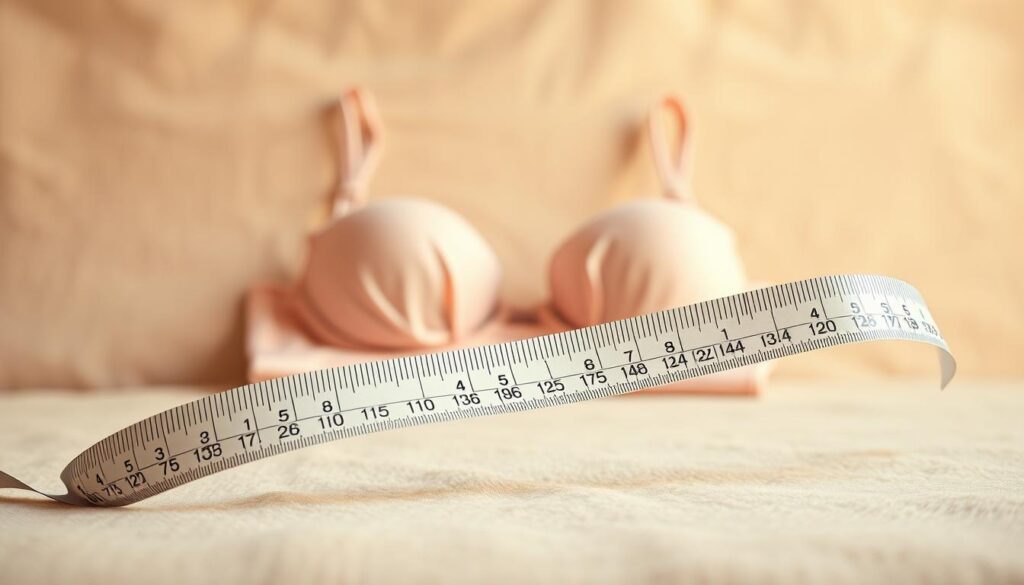
Measuring yourself for the perfect bra is simple. It can greatly improve your comfort and look.
Step-by-Step Measurement Process
- Use a soft measuring tape for accurate measurements
- Wear a non-padded bra during measurement
- Measure your band size:
- Wrap the tape around your ribcage, just under the bust
- If the measurement is even, add 4 inches
- If the measurement is odd, add 5 inches
- Measure your bust size at the fullest point
- Calculate cup size by subtracting band size from bust measurement
Common Sizing Mistakes to Avoid
When looking for comfy bras for younger wearers, watch out for these common fitting problems:
- Gaping cups: Means the bra is too big
- Cup spillage: Shows the bra is too small
- Riding band: Indicates the band size is off
- Slipping straps: Means you need to adjust the straps
Pro Tip: A well-fitting bra should fit snugly but not too tight. It should sit just below your bust, with your breasts in line with your shoulders and elbows.
Remember, bra sizes can differ between brands. It’s wise to get measured every six months, more often during growth spurts. Your bras should grow with you.
A bra that fits right is not just comfy. It also supports your body’s shape. Take your time, be patient, and ask for help if you need it.
Key Features to Look for in a Beginner Bra
Finding the perfect bra can be tough for those new to bra basics. Knowing what to look for makes choosing easier and more comfortable.
When starting with bra basics, several important features stand out. The right bra offers support, comfort, and boosts confidence during early breast development.
Fabric and Comfort
Comfort begins with the right fabric. Choose materials that are:
- Lightweight and breathable
- Soft against the skin
- Moisture-wicking
- Stretchable for natural movement
Cotton and microfiber blends are often the best for comfort and support in beginner bras.
Adjustable Straps and Bands
Finding the right fit is key for a beginner bra. Adjustable features help with growth and ensure comfort:
- Straps should be easily adjustable
- Bands must provide snug but not tight support
- Look for wide, cushioned straps to prevent digging
Underwire vs. Wireless
For newcomers, wireless bras are often the most comfortable. Consider these points:
- Wireless bras offer flexibility and less restriction
- They’re ideal for younger wearers and growing bodies
- Provide gentle support without uncomfortable pressure
Choosing the right bra is a personal journey. Focus on comfort, fit, and your needs when exploring entry-level bra options.
Top Brands Offer Beginner-Friendly Bras
Finding the right bra for beginners can be tough. The right brand can boost your comfort and confidence. Let’s look at some top brands for comfortable bras for young and first-time bra shoppers.
Aerie: Affordable and Stylish Choices
Aerie is a top pick for first-time bra shoppers. They offer sizes from 30 to 42 inches and cup sizes A to G. Their Smoothez Full Coverage Lightly Lined Bra is a great choice.
- Affordable pricing
- Multiple color options
- Soft, comfortable fabrics
- Inclusive sizing
Victoria’s Secret: Variety for Every Style
Victoria’s Secret offers a wide range of beginner bras. Their Smooth Push-Up Bra is available in band sizes 32 to 44 and cup sizes A to DDD. It’s a standout choice.
- 16 different color choices
- Multiple style options
- Push-up and classic designs
- Wide range of sizes
ThirdLove: Focus on Fit and Comfort
ThirdLove is all about finding the perfect fit. Their 24/7 Classic T-Shirt Bra is a top pick. It offers:
- Band sizes 32 to 44
- Cup sizes A to H
- Half-cup sizing options
- 60-day return policy
When picking your first bra, remember comfort and fit are key. Each brand has unique features to help you find the perfect bra. It should make you feel confident and supported.
Shopping Tips for First-Time Buyers
For teens starting their journey with bras, shopping can feel overwhelming. Whether you’re buying online or in-store, knowing the best approach can make it more enjoyable.

When you start looking for your first bra, think about strategies that make you feel comfortable and confident.
Exploring Shopping Venues
There are two main ways to buy your first bra:
- In-Store Shopping
- Direct fitting assistance
- Immediate try-on opportunities
- Personal guidance from sales associates
- Online Shopping
- Wider selection
- Potential privacy
- Convenient comparison shopping
Online Shopping Strategies
If you prefer shopping online, here are some tips:
- Carefully measure yourself before ordering
- Read customer reviews thoroughly
- Check return policies
- Look for detailed size charts
About 40% of parents choose online bra shopping to avoid in-store discomfort. Many online stores offer discreet packaging and easy returns for first-time buyers.
In-Store Shopping Advice
If you prefer shopping in-store, bring a trusted friend or family member. Around 55% of parents say privacy is key during this time. Don’t be shy about asking for a professional fitting to find the right size.
Remember: Your first bra should feel comfortable, provide proper support, and make you feel confident.
How to Care for Your Bras
Taking good care of your bras is key to keeping them in great shape. It helps them last longer, stay comfortable, and look good. This way, you get the most out of your investment.
Essential Washing Tips
Washing your bras right is important. Here are some tips to keep them looking new:
- Wash bras every 3-4 wears to keep them elastic
- Use cold water to keep colors bright and fabrics strong
- Hand washing is best for delicate fabrics
- Choose gentle detergents without bleach or alcohol
Drying Techniques
How you dry your bras matters a lot. Here’s how to dry them right:
- Air dry bras flat to keep their shape
- Stay away from mechanical dryers, as they can make bras lose 20% of their elasticity
- Reshape cups before air drying
- Drying times depend on the fabric:
- Synthetic: Up to 8 hours
- Cotton: 5-7 hours
- Silk: 4-6 hours
Smart Storage Solutions
Storing your bras right is also important. Here are some tips:
- Store bras flat or stacked
- Don’t hang bras by the straps to avoid stretching
- Switch between 3-4 everyday bras
- Keep bras in a cool, dry place
By following these care tips, you can make your bras last up to four years. That’s a lot longer than six months with bad care. Spend some time on bra care, and they’ll be your go-to for comfort and support for years.
Signs It’s Time to Replace Your Bra
It’s important to take care of your bras to stay comfortable and fit well. Even entry-level bras need attention to keep them supportive and effective.
Knowing when to get a new bra can prevent discomfort and poor support. Experts say there are clear signs it’s time for a change.
Common Wear and Tear Indicators
- Stretched Bands: If the back band no longer fits snugly, it’s time for a replacement
- Visible elastic thread-like breakdowns indicate reduced support
- Cups that gap or no longer fit properly suggest wear
- Underwires that bend or poke can cause significant discomfort
- Straps that constantly slip or have lost elasticity need attention
How Often Should You Replace Bras?
The life of a bra depends on several things. Generally, you should replace your bras:
- Every 6-12 months for frequently worn bras
- After approximately 180 wears
- When the bra no longer provides proper support
Proper care can make your bra last longer. Rotate between multiple bras, hand wash when possible, and avoid tumble drying to keep them elastic and in shape.
Remember: 80% of a bra’s support comes from the elastic band, so pay close attention to its condition.
Changes in your body, weight, and washing habits affect your bra’s life. Listen to your body and choose supportive bras that make you feel good.
Debunking Common Bra Myths
Finding the right bra can be tough, with lots of wrong ideas out there. Knowing the truth about bra myths helps girls make better choices.
Breaking Down Underwire Comfort Myths
Many think underwire bras are always uncomfortable. This is not always true. A good fit can make underwire bras very comfortable. It’s all about getting the right size and style.
- Underwire bras can offer superior support when correctly sized
- Modern designs prioritize comfort and flexibility
- Proper fitting eliminates most discomfort associated with underwire
Size Myths and Body Positivity
Bra sizes change as you grow. Growth, pregnancy, and aging can change your size. It’s important to keep up with these changes.
- Measure yourself regularly
- Embrace your changing body
- Choose bras that make you feel confident
Your body is unique, and so should be your bra selection!
When looking for starter or training bras, focus on comfort, support, and feeling good. Don’t let myths guide your choices.
Final Thoughts on Choosing Your First Bra
Finding the perfect bra is a journey for every young woman. It’s not about following trends. It’s about finding what makes you feel comfortable and confident.
Choosing your first bra can be tough. Breast development varies a lot. Some girls need support early, while others wait longer. Listen to your body and remember, there’s no one “right” bra for everyone.
Look for bras made of lightweight, breathable fabrics. Sports bras and training bras are great for beginners. Don’t hesitate to try different styles. Ask trusted family members for advice to make the process easier.
Your first bra should make you feel secure and confident. See it as a step in your personal growth. Remember, comfort and confidence are key when choosing your first bra.
FAQ – Best Bra for Beginners
At what age should I start wearing a bra?
There’s no one-size-fits-all answer to when to start wearing a bra. It really depends on when you start to develop, which can happen between 9-13 years old. What’s most important is feeling comfortable and ready. Look for signs like breast growth and needing extra support during sports.
How do I know if my bra fits correctly?
A good bra fits snugly around your body, with straps that don’t hurt your shoulders. The cups should cover your breasts without bulging out. You should feel supported and comfy, without any pinching or slipping.
What’s the difference between a training bra and a regular bra?
Training bras are for young girls just starting to grow, giving light support and minimal coverage. They’re soft, wireless, and comfy. Regular bras offer more support and come in many styles for different needs.
How often should I replace my bras?
Experts say to replace bras every 6-12 months, based on how much you wear them. Look for signs like stretched-out bands, worn-out elastic, or cups that don’t fit right anymore. Wearing different bras can make them last longer.
Should I choose underwire or wireless bras as a beginner?
Wireless bras are great for beginners because they’re comfy and less scary. They offer gentle support and are softer. Once you get used to them, you can try underwire bras for more shape and support.
How many bras should I own?
Start with 3-4 bras: one to wear, one in the wash, and one or two extras. Have a mix like a sports bra, everyday bra, and a comfy bralette. This way, you can switch them out and make them last longer.
Can bra size change over time?
Yes, bra size can change due to many reasons like weight changes, hormones, pregnancy, exercise, and aging. It’s a good idea to get measured every 6-12 months or when your current bras don’t fit right anymore.
How do I care for my first bras?
Wash bras by hand in cool water with a gentle detergent. If you must machine wash, use a delicate cycle. Always air dry them, avoiding heat or sunlight. Don’t wring or twist them, as it can damage the fabric and elastic.
Are expensive bras always better?
Not always. While high-end brands often have quality materials, many affordable brands also offer great comfort and support. What’s most important is finding a bra that fits well, feels comfy, and makes you feel good.
How do I build confidence when buying my first bra?
Go with a trusted friend or family member, and choose a comfy place like a specialty lingerie store. Remember, finding the right bra is a personal journey. Don’t be shy to ask for help, try different styles, and focus on your comfort above all.